Why Radon Fan Installation Matters for a Safer Home
The Hidden Risk Below Your Home
When I first started working in radon mitigation, I learned something that surprised me. Radon gas isn't something you can see or smell, but it can drift up through the soil and into your home through tiny cracks in the basement slab or crawlspace. The EPA has identified radon as the second leading cause of lung cancer in the United States. That fact alone should make any homeowner pay attention. But what really matters is having a system that works, and at the heart of every effective radon mitigation system is the fan.
Too many people think a simple vent pipe is enough. It is not. Without a properly installed fan, the system might pull only a fraction of the radon gas from beneath the home. A well-designed active soil depressurization system depends on a fan that can create continuous negative pressure under the slab. That is where radon fan installation becomes the deciding factor between a system that works and one that just makes noise.
What Radon Fan Installation Really Involves
Let me walk you through what a typical radon fan installation looks like. The process starts with radon testing. You cannot design a mitigation system without knowing the baseline concentration. A radon detection kit placed in the lowest livable area of the home gives you that number. If the result is above 4 picocuries per liter, the EPA recommends taking action. That is where a mitigation contractor steps in.
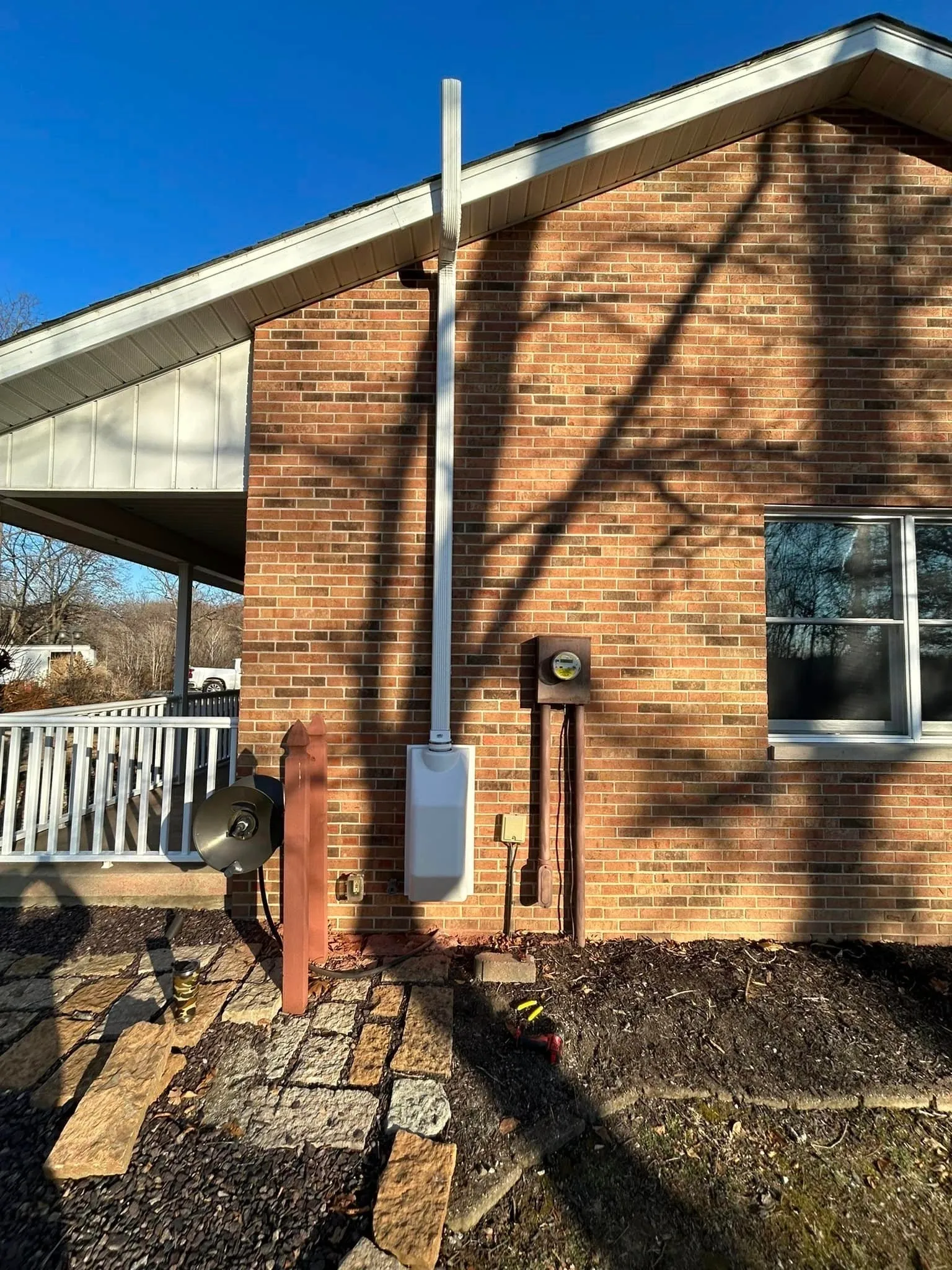
The contractor will evaluate the home's foundation. Is there a basement slab or a crawlspace? The construction matters because it determines where the soil pipe needs to go. For a slab-on-grade home, the pipe penetrates through the concrete. For a crawlspace, the pipe is routed under the floor. In either case, the radon fan installation connects that pipe to a fan motor mounted outside the living area. The fan pulls radon gas from beneath the home and pushes it through the discharge point, which should be above the roofline and away from windows.
A good radon fan installation includes a manometer. This is a small gauge that shows whether the fan is creating the right pressure. I once visited a home where the homeowner had installed the fan himself. He had done a decent job with the pipe routing, but he skipped the manometer. When I tested the system, the fan was running, but the pressure was barely measurable. The radon levels had dropped only slightly. After we added the correct fan and installed a manometer, the pressure jumped, and the radon reduction was dramatic. That experience taught me that the fan is only as good as the installation.
Choosing the Right Fan and Location
Not all fans are the same. Some are designed for high static pressure, which is needed when the soil is dense or the pipe run is long. Others are quieter but might not have the same pull. A professional radon mitigation contractor like Air Sense Environmental in St. Louis will match the fan to the specific conditions of your home. They consider the soil type, the depth of the basement slab, and the distance to the discharge point.
The location of the fan also matters. It should be installed in a place that is not easily accessible to children or pets, but still reachable for maintenance. Common spots include the attic, the garage, or the exterior wall. The fan motor must be protected from weather if mounted outside. In St. Louis, where we get hot summers and freezing winters, the fan needs to handle temperature swings without losing efficiency.
Why Professional Installation Matters
I have seen homeowners attempt to save money by buying a fan online and installing it themselves. Sometimes it works, but often it does not. The biggest mistakes I see involve undersizing the fan, poor sealing around the soil pipe, and incorrect placement of the discharge point. A radon fan installation is not complicated, but it does require attention to detail and an understanding of air pressure dynamics.
For example, if the fan is too small, it cannot create enough vacuum to pull radon from the entire area under the slab. If the pipe is not sealed properly, outside air gets sucked in, reducing the vacuum. If the discharge point is too low, the radon can be pulled back into the home through windows or vents. These are the kinds of issues a professional mitigation contractor deals with every day.
Post-installation verification is the final step. After the fan is running, we place another radon detection kit in the home to confirm the levels have dropped. This step is non-negotiable. If the levels are still high, we adjust the system. Sometimes that means increasing the fan speed, adding a second fan, or extending the discharge point. Post-installation verification ensures the system is actually working, not just running.
The Role of Sub-Slab Depressurization
The most common type of radon mitigation system in homes with a basement slab is sub-slab depressurization. A hole is drilled through the slab, and a pipe is inserted into the gravel or soil beneath. The fan pulls air from under the slab, creating a low-pressure zone that prevents radon from entering. This is the same principle used in active soil depressurization systems for crawlspaces. The fan creates a path of least resistance for the radon gas, directing it up through the soil pipe and out of the home.
In a crawlspace, the approach is slightly different. The soil is often exposed, so a vapor barrier is laid down first. Then the pipe is placed under the barrier and connected to the fan. The same radon fan installation principles apply, but the sealing requirements are even more critical because the crawlspace is not a sealed environment like a slab.
Long-Term Maintenance and Peace of Mind
Once the system is installed, it requires very little maintenance. The manometer should be checked periodically to make sure the pressure has not changed. If the manometer shows a drop, it could mean the fan motor is failing or the pipe has been blocked. The fan itself has a lifespan of about five to ten years, depending on the model and how hard it works. Replacing the fan is a straightforward job, but it should be done by someone who knows the system.
I remember a client in St. Louis who called me after a storm. A tree branch had fallen and cracked the discharge pipe. The fan kept running, but the manometer showed no pressure. He was worried the system had failed entirely. When I arrived, I found the crack and repaired it. Within an hour, the manometer was back in the green zone. That is the kind of thing that can happen, but it is rare. For the most part, a properly installed radon mitigation system runs quietly for years.
Radon Fan Installation Is an Investment in Health
If you are buying a home or already live in one, radon testing should be on your checklist. If the test comes back high, do not ignore it. A radon fan installation is one of the most effective ways to bring those levels down. The cost is modest compared to the health risk. And when the system is installed by a qualified mitigation contractor, you get the benefit of their experience, the right equipment, and the assurance of post-installation verification.
I have seen what happens when people skip the professional step. They end up with a fan that hums but does not reduce radon. They spend money on equipment and still have unsafe air. A good radon fan installation is not just about the fan itself. It is about understanding air flow, pressure, and the unique features of your home. It is about sealing every joint, choosing the right discharge point, and checking the work with a manometer and a radon detection kit.
If you live in St. Louis and are considering radon mitigation, I recommend talking to a contractor who has local experience. The soil here is different from other parts of the country. The climate affects how the fan performs. A contractor like Air Sense Environmental, who works in the area every day, knows what works and what does not. They will handle the radon fan installation from start to finish, including the testing and verification that give you peace of mind.
Radon is a serious risk, but it is also a manageable one. With the right system, your home can be a safe place. The fan is the heart of that system, and how it is installed determines whether the system will protect your family or just sit there running. Do not take that risk lightly. Make sure the radon fan installation is done right the first time.